
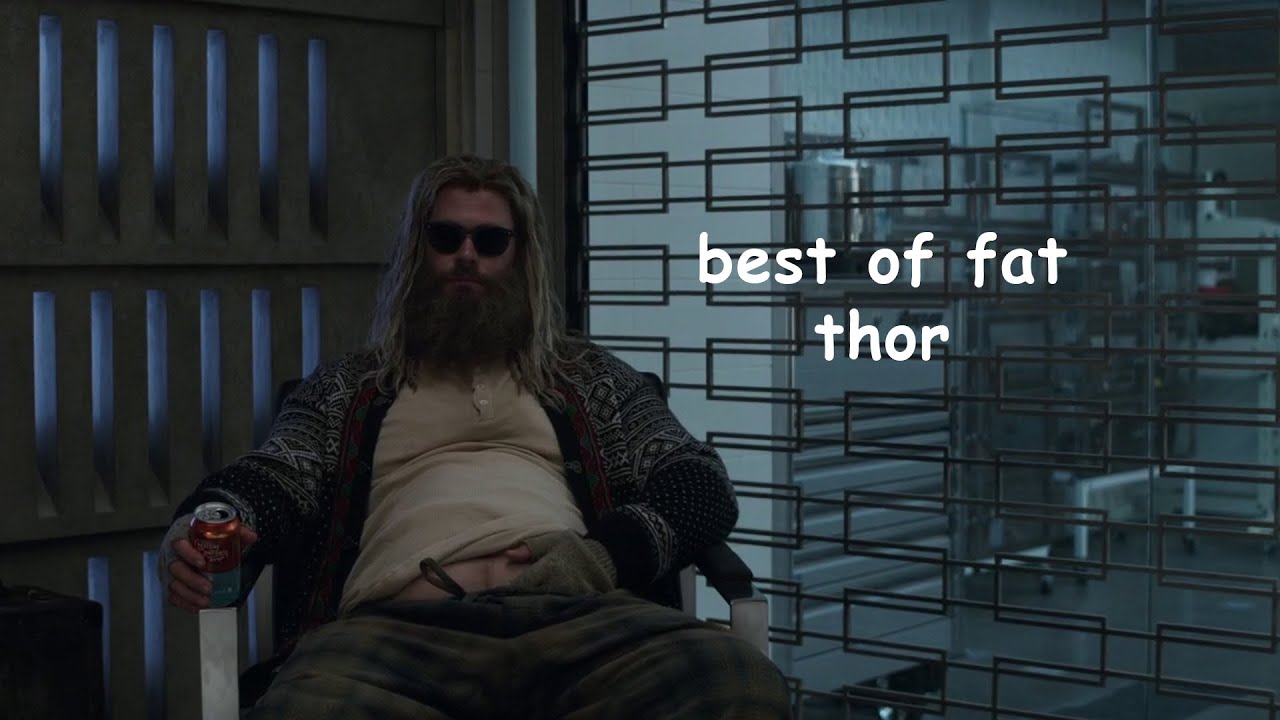
The character fat thor became one of the most talked-about topics among Marvel fans after the release of Avengers: Endgame. Known for his incredible strength, heroic leadership, and godlike powers, Thor underwent a dramatic physical and emotional transformation that surprised audiences worldwide. Rather than presenting a flawless superhero, Marvel chose to show a more human side of the God of Thunder, making the character even more relatable.
This version of fat thor sparked conversations about mental health, personal struggles, resilience, and self-acceptance. While some viewers initially focused on Thor’s appearance, many others appreciated the deeper message behind his journey.
Understanding the Story Behind Fat Thor
The transformation into fat thor did not happen without reason. After the devastating events of Avengers: Infinity War, Thor blamed himself for failing to stop Thanos before the villain wiped out half of all life in the universe.
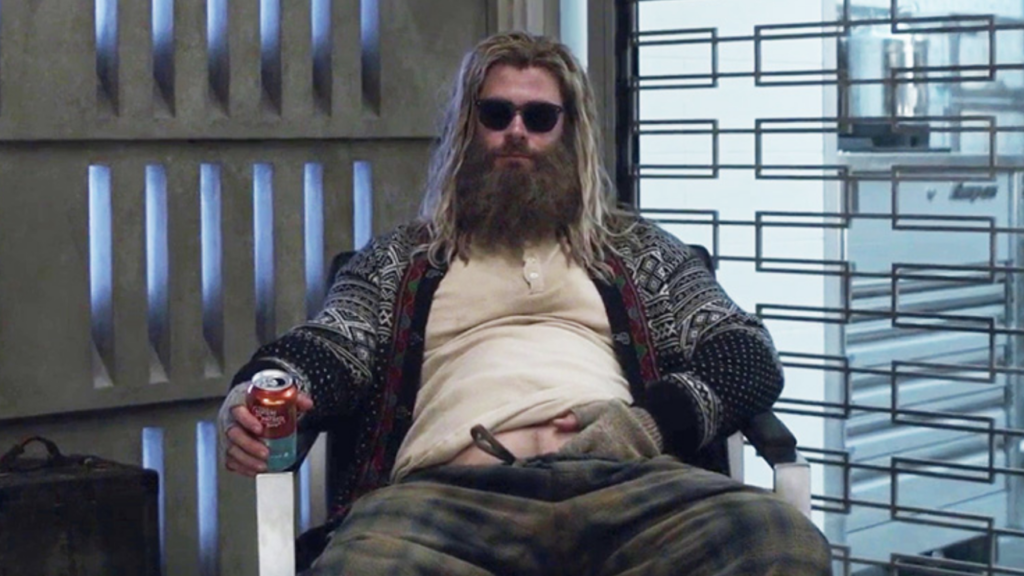
Overwhelmed by guilt and depression, Thor withdrew from his responsibilities and isolated himself from others. During the five-year time jump in Endgame, he spent much of his time in New Asgard, avoiding his former duties and living a less active lifestyle.
This portrayal showed that even the strongest heroes can struggle with emotional pain. Instead of presenting a perfect warrior, Marvel highlighted the reality that grief and trauma can affect anyone.
Why Fat Thor Resonated With Audiences
One reason fat thor became so memorable is that the character reflected real human experiences. Many people face periods of stress, anxiety, depression, or major life setbacks. Seeing a powerful superhero dealing with these issues made Thor feel more authentic.
The character’s physical appearance symbolized the emotional burden he carried. Rather than instantly recovering, Thor had to confront his pain and slowly rebuild his confidence.
Fans appreciated that the movie did not require Thor to return to his previous physique before becoming heroic again. He remained worthy of wielding Mjolnir, proving that true strength comes from character rather than appearance.
A New Perspective on Heroism
Traditional superhero stories often focus on physical perfection. Fat thor challenged this idea by demonstrating that heroes can be vulnerable.
His journey emphasized important lessons about self-worth. Thor’s value did not disappear because he gained weight. He remained courageous, compassionate, and willing to fight for others despite his personal struggles.
This approach helped expand conversations about body image and mental well-being within popular entertainment.
The Mental Health Themes Behind Fat Thor
Many viewers and critics recognized that fat thor represented more than a simple visual change. His story reflected symptoms commonly associated with depression, including withdrawal, loss of motivation, and emotional distress.
Marvel used humor throughout Thor’s scenes, but beneath the comedy was a serious exploration of grief and recovery. The character’s interactions with friends and family showed the importance of support systems during difficult times.
When Thor reconnects with his mother, he receives reassurance that he is still worthy despite his mistakes. This moment became one of the most emotional scenes in the film and marked a turning point in his healing process.
The Message of Self-Acceptance
Perhaps the most powerful aspect of fat thor is the message of self-acceptance. Instead of magically returning to his previous form, Thor learns to embrace himself while continuing to grow emotionally.
This lesson resonates with audiences because it encourages people to recognize their value beyond physical appearance. Confidence, kindness, determination, and integrity remain important regardless of body type.
Fan Reactions and Cultural Impact
The introduction of fat thor generated significant discussion across social media, entertainment websites, and fan communities. Some viewers criticized the comedic elements, while others praised Marvel for taking a bold creative risk.
Over time, many fans came to appreciate the deeper themes embedded in Thor’s storyline. The character inspired conversations about mental health awareness and challenged conventional expectations of superhero representation.
The cultural impact of fat thor continues to be discussed years after the release of Endgame, demonstrating how meaningful character development can leave a lasting impression on audiences.
How Fat Thor Changed the Marvel Universe
Thor’s transformation added emotional depth to the Marvel Cinematic Universe. It showed that superheroes are not immune to failure or personal hardship.
By portraying Thor’s recovery journey, Marvel created a more realistic and layered character. His story reinforced the idea that growth often comes through adversity and that healing is rarely immediate.
Future Marvel projects continue to build on Thor’s emotional evolution, making him one of the franchise’s most complex and compelling heroes.
FAQs
Why did Thor become fat in Endgame?
Thor gained weight after experiencing guilt, depression, and emotional trauma following the events of Infinity War.
Is Fat Thor still powerful?
Yes. Thor retained his godly powers, combat abilities, and worthiness despite his physical changes.
What does Fat Thor symbolize?
He symbolizes grief, mental health struggles, recovery, and self-acceptance.
Did fans like Fat Thor?
Fan reactions were mixed initially, but many viewers later appreciated the deeper themes behind the character.
Is Fat Thor still worthy of Mjolnir?
Yes. Thor successfully wielded Mjolnir in Avengers: Endgame, proving he remained worthy.
Conclusion
The story of fat thor represents much more than a physical transformation. It is a powerful narrative about grief, resilience, mental health, and self-acceptance. By showing a vulnerable side of one of Marvel’s strongest heroes, the filmmakers created a character arc that resonated deeply with audiences around the world.
Fat thor remains an important example of how modern storytelling can challenge stereotypes while delivering meaningful messages. His journey reminds us that true worth is not determined by appearance but by courage, character, and the willingness to keep moving forward even after failure.
YOU CAN ALSO READ MY ARTICLE
fintechzoom.com gold Guide: Gold Market Insights
Roma Downey: Angelic Star & Faith Pioneer
